Comparison
Amboseli vs Maasai Mara: Which Should You Choose?
Big cats and the migration, or elephants beneath Kilimanjaro? How Kenya's two best-known safari parks compare on wildlife, season, access and pace, and how to combine them.
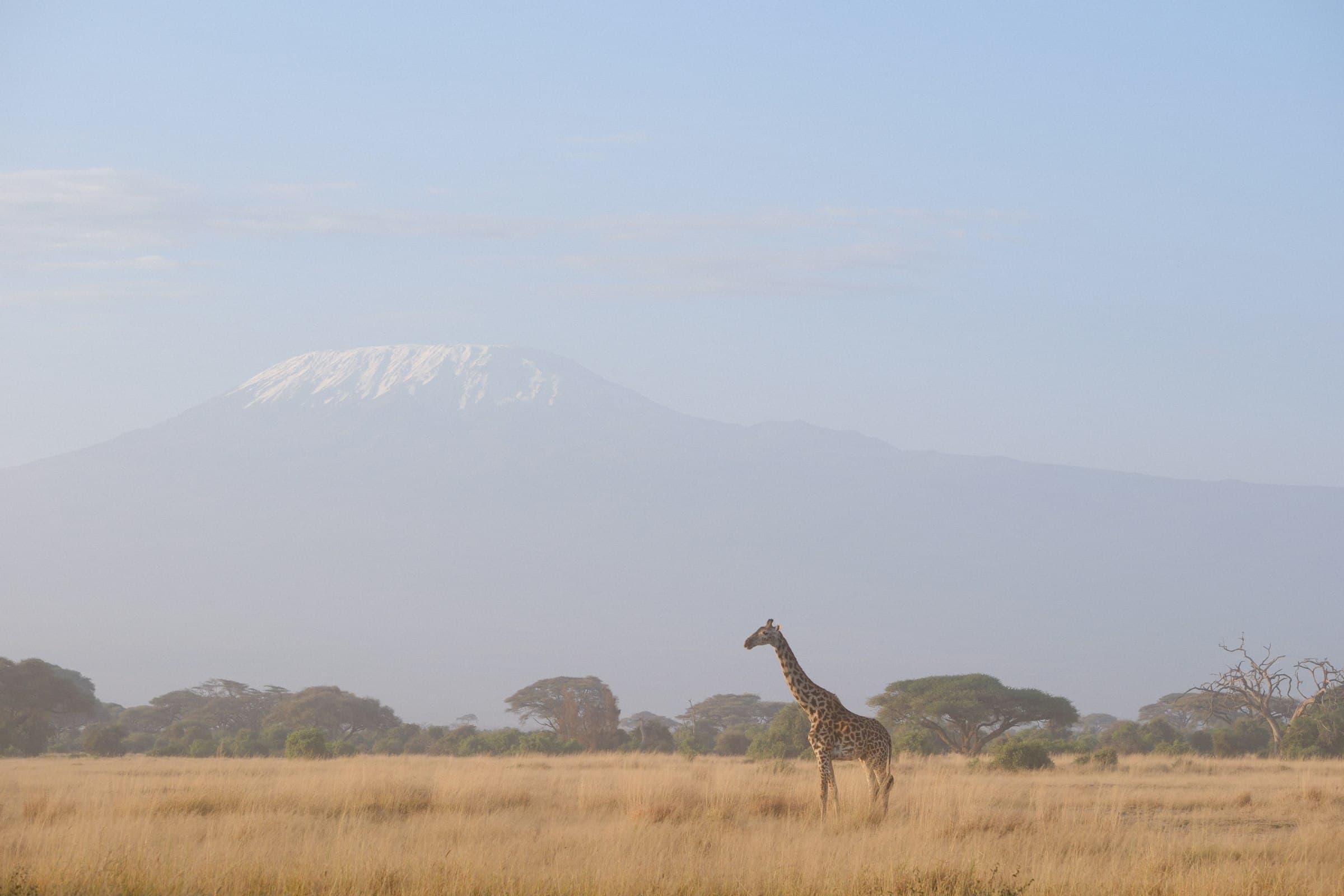
If you want big-cat action, the chance of a river crossing and the widest variety of wildlife, choose the Maasai Mara. If you want close, unhurried time with elephant families under the snow cap of Kilimanjaro, choose Amboseli. If you have a week, you do not have to choose: the two parks complement each other so well that they are Kenya's most common safari pairing.
Short answer
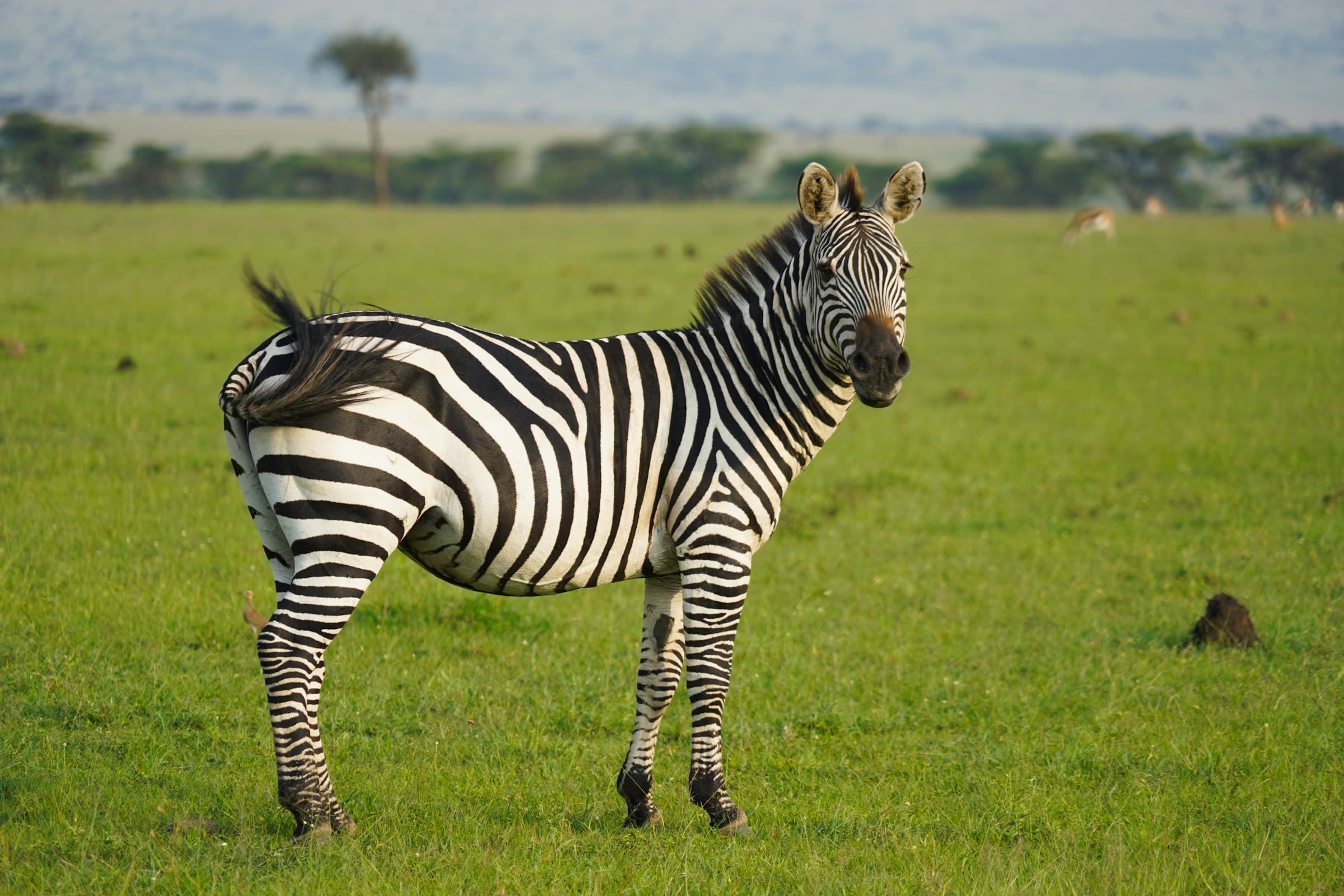
The Maasai Mara is the fuller safari. It is the Kenyan end of the Serengeti–Mara ecosystem, it holds all of the Big Five, and between roughly July and October it hosts the Great Migration's river crossings. It suits first safaris, predator lovers and anyone for whom "the migration" is the point of the trip.
Amboseli is the more focused one. It is a smaller park built around permanent swamps at the foot of Kilimanjaro, and its strength is elephants: family herds moving between the marshes in open country, often with the mountain behind them. It suits photographers, repeat visitors and anyone adding two or three nights to a longer Kenya trip.
At a glance
| Maasai Mara | Amboseli | |
|---|---|---|
| Signature sight | Predators on open grassland; Mara River crossings in season | Elephant herds with Kilimanjaro behind them |
| Landscape | Rolling grass plains, acacia, the Mara and Talek rivers | Flat, dry plains, a dried lake bed and spring-fed green swamps |
| Best months | July to October for the migration; good all year for resident wildlife | June to October and January to February for clear views and elephants at the swamps |
| Suggested stay | 3 to 4 nights | 2 to 3 nights |
| Getting there from Nairobi | Short light-aircraft flight, or around 5 to 6 hours by road | Light aircraft to Kimana airstrip, or roughly 200 to 240 km by road via one of three gates |
| Feel | Big, busy in peak months, lots of choice | Compact, open, easy to read |
Choose the Maasai Mara if …
You want the widest range of animals. Kenya's tourism board lists all of the Big Five in the Mara, and the reserve has resident lion, cheetah and leopard year-round, so it rewards you even when the migration is elsewhere. Our Maasai Mara guide covers the reserve itself in more depth.
You are chasing the migration. The herds usually arrive from Tanzania's Serengeti in July and stay into October, gathering at the Mara River before crossing. Rain drives the timing, not the calendar, so the weeks shift every year. Our Great Migration month-by-month guide explains where the herds tend to be and how to give yourself more than one chance at a crossing.
You want more than game drives. Dawn hot-air balloon flights over the plains are a Mara classic. The private conservancies bordering the reserve also offer guided walks and night drives, which the main reserve does not, and they generally allow fewer vehicles at a sighting.
Keep in mind: in peak migration weeks, well-known crossing points can draw a lot of vehicles. The Mara Triangle, the western sector run by the Mara Conservancy, publishes rules that limit how long vehicles can stay at a busy sighting and how close they can wait. If crowds worry you, a conservancy camp or a visit outside July to October makes a real difference.
Choose Amboseli if …
Elephants are your animal. Amboseli's swamps are fed by groundwater from Kilimanjaro, so there is water even at the height of the dry season, and elephant herds walk in from the surrounding plains to drink and feed. The park is also known for long-term elephant research. Because the ground is so open, you often watch whole family groups at once rather than glimpses through bush.
You want the Kilimanjaro shot. The mountain itself is in Tanzania, but Amboseli has the classic view of it. The summit is clearest early in the morning, before cloud builds, and it is most reliably visible in the dry months. Plan at least two sunrises so one cloudy morning does not cost you the view.
You like a park you can take in. Amboseli is far smaller than the Mara. You spend less time driving between sightings and more time with each one, which suits photographers and families with younger children. The Kenya Wildlife Service, which runs the park, also lists birdwatching, flamingos on the lake basin when it holds water, and cultural visits to Maasai villages outside the park.
Keep in mind: Amboseli is not the place to tick off a full predator list, and it plays no part in the migration. Its dry, dusty plains can feel stark in the heat of the day, so game drives work best early and late. Gates open at 06:00 and close at 18:00 unless you are staying inside the park.
Timing and weather
Kenya has two rainy seasons. The Kenya Meteorological Department calls March to May the "long rains" and October to December the "short rains". The rest of the year is broadly dry, and that is when both parks are at their best.
| Months | Maasai Mara | Amboseli |
|---|---|---|
| January–February | Mostly dry; resident wildlife, fewer vehicles | Dry; good Kilimanjaro visibility, elephants at the swamps |
| March–May | Long rains; tracks can be muddy, a quieter time to visit | Long rains; the plains green up and views are less reliable |
| June | Dry season begins; herds usually still in the Serengeti | Dry season begins; a strong month |
| July–October | Migration and river crossings; peak demand | Dry; clear mornings and concentrated elephants |
| November–December | Short rains; herds head back south | Short rains; greener, quieter |
If you can only travel in one window and want both parks at their best, July to October works for the pair.
Doing both
Pairing the two is easy, as long as you do not drive between them. There is no quick road link, and going by road usually means heading back towards Nairobi, which takes most of a day. Most itineraries fly instead: a light-aircraft hop from a Mara airstrip to Amboseli turns a transit day into a morning game drive, then an afternoon one somewhere new.
A good balance is three nights in the Mara and two in Amboseli, in that order. The Mara gives you variety and drama first, and Amboseli is a calmer, very visual finish. Our Classic Kenya Safari follows exactly this shape over seven days. Stay at Governors' Camp on the Mara River, then Ol Tukai Lodge, set among palms at the centre of Amboseli.
Both parks charge daily conservation fees, set by their managing authorities, and the rates change. We keep a dated fee line on each destination page instead of quoting figures here. For packing, the same kit works in both: see our first safari packing list, and bring an extra warm layer for early drives.
If you are still undecided, tell us your travel dates and the one sighting you would be most disappointed to miss. That answer usually settles it. You can find more ideas for the rest of your trip on our Kenya page.
Inspired? Let's plan it.
Tell us what caught your eye and a travel expert will design a trip around it.
Plan My Trip