Kenya
Classic Kenya Safari
7 Days · Maasai Mara · Amboseli
- Expert local guide
- Mara-Amboseli flight
- Big cats & elephants
Price on request
Request a Quote Kenya pairs classic savannah safari with Rift Valley lakes, Indian Ocean beaches and some of Africa's most storied parks.
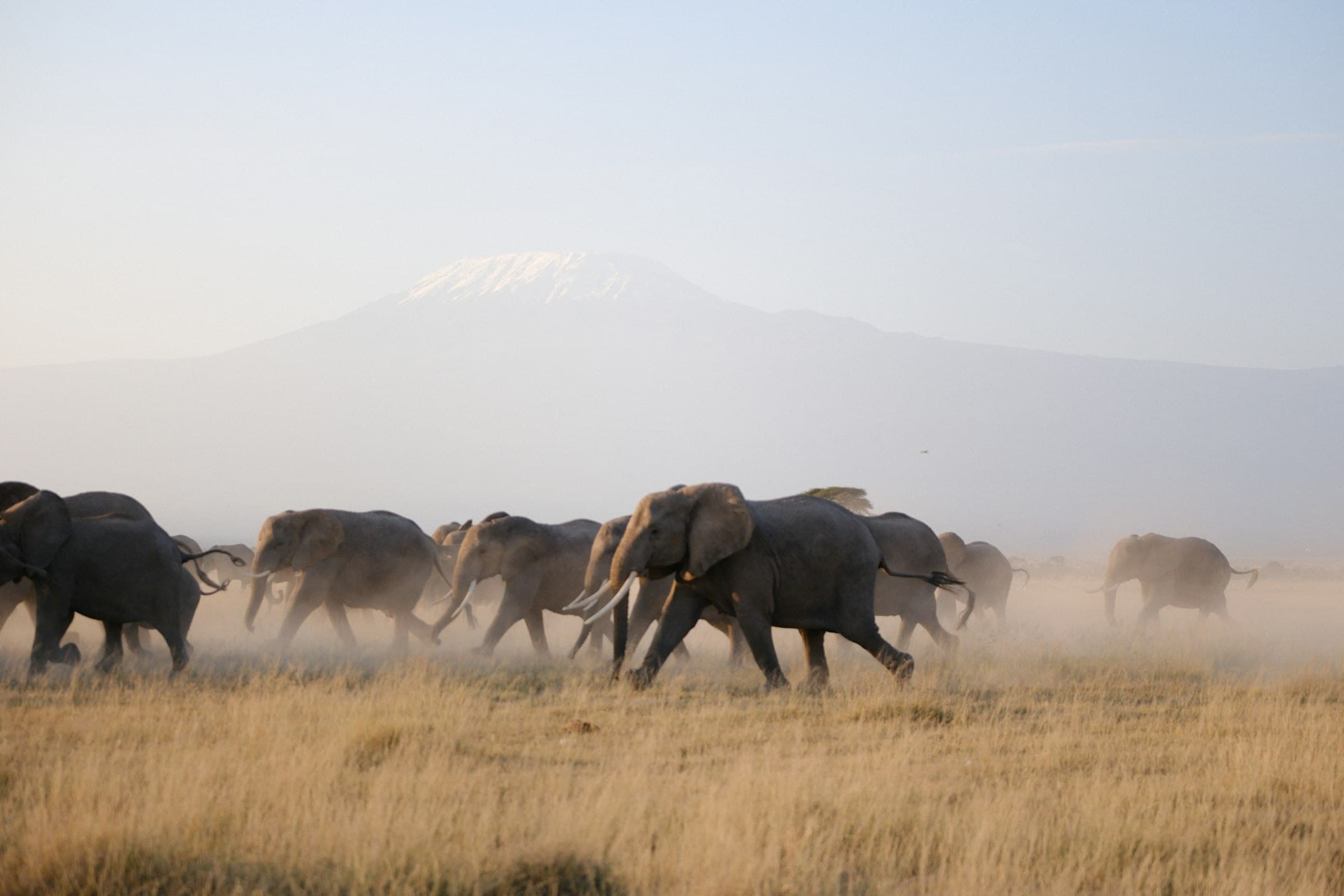
Kenya helped invent the modern safari, and its parks remain some of the most recognisable in Africa. The Maasai Mara forms the northern extension of the Serengeti ecosystem and is famous for the dramatic river crossings that punctuate the Great Migration each year, while Amboseli offers close encounters with large elephant herds set against the backdrop of Mount Kilimanjaro, just across the border in Tanzania.
Beyond the headline reserves, Kenya's Rift Valley lakes draw flamingos and other birdlife, its central highlands support tea and coffee estates, and its Indian Ocean coast around Mombasa and Lamu adds warm-water beaches and Swahili architecture to a longer itinerary. Nairobi, the capital, is a practical and increasingly interesting stop in its own right, with a growing food and arts scene alongside its role as the region's main international gateway. Beyond wildlife, Kenya's cultural diversity is considerable: more than forty ethnic communities, including the Maasai, Samburu and Swahili coastal peoples, contribute distinct traditions, craft and cuisine that add depth to a safari-focused trip.
Most first-time visitors combine two or three parks with a few days on the coast or in Nairobi, and our Classic Kenya Safari is built around exactly that pattern. Distances between parks are manageable by light aircraft or road, which makes it realistic to see genuinely different landscapes and wildlife concentrations within a single trip, even one of moderate length. Travellers who want to understand how the migration moves between countries often read our migration guide alongside planning a Kenya-only route.
Plan a trip to Kenya
Plan My TripThe dry months from June to October offer the most reliable wildlife viewing, with migration river crossings in the Maasai Mara typically peaking between July and October. A shorter dry spell in January and February is also good for game viewing, while the long rains from March to May are the quietest and least predictable time to visit.
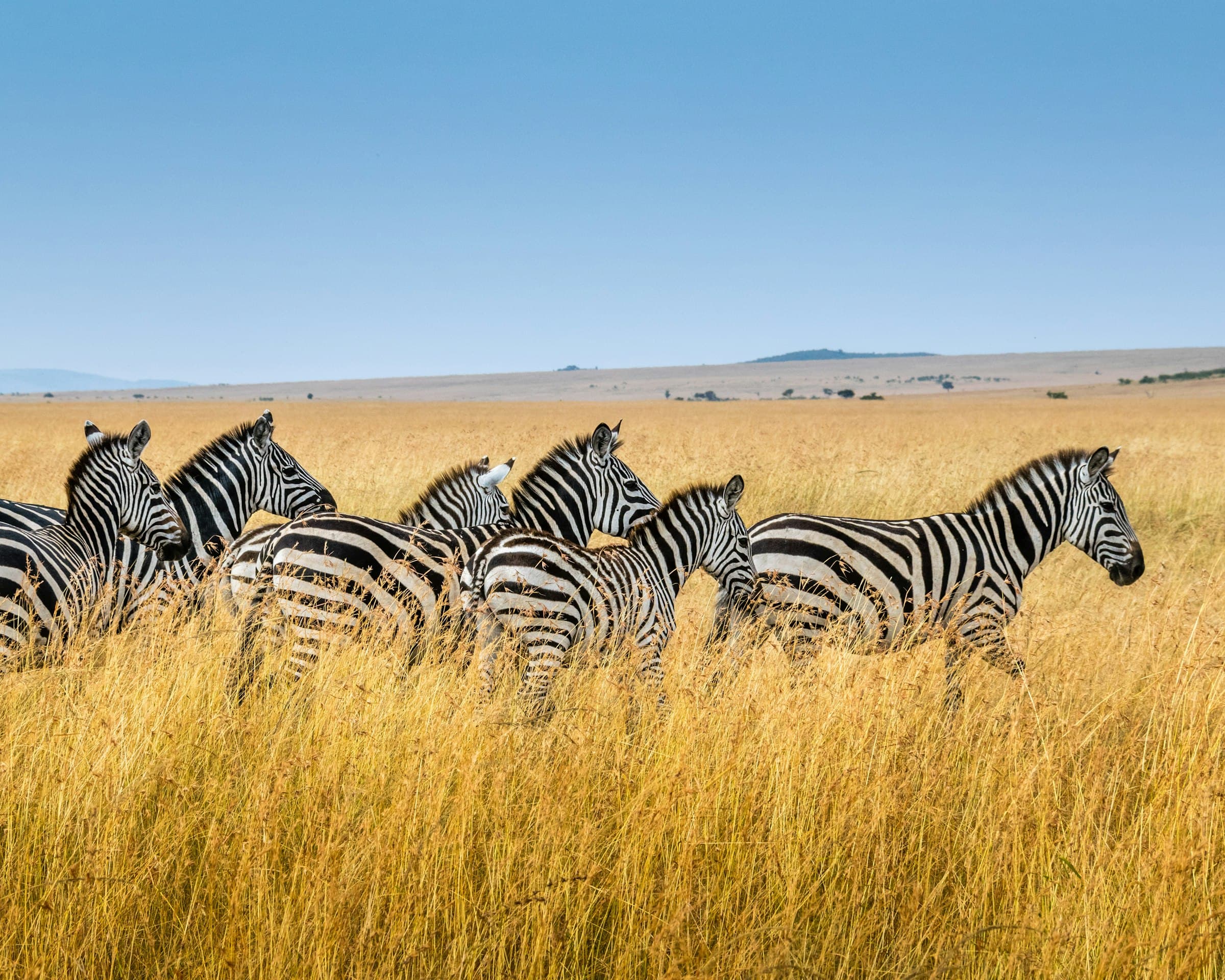
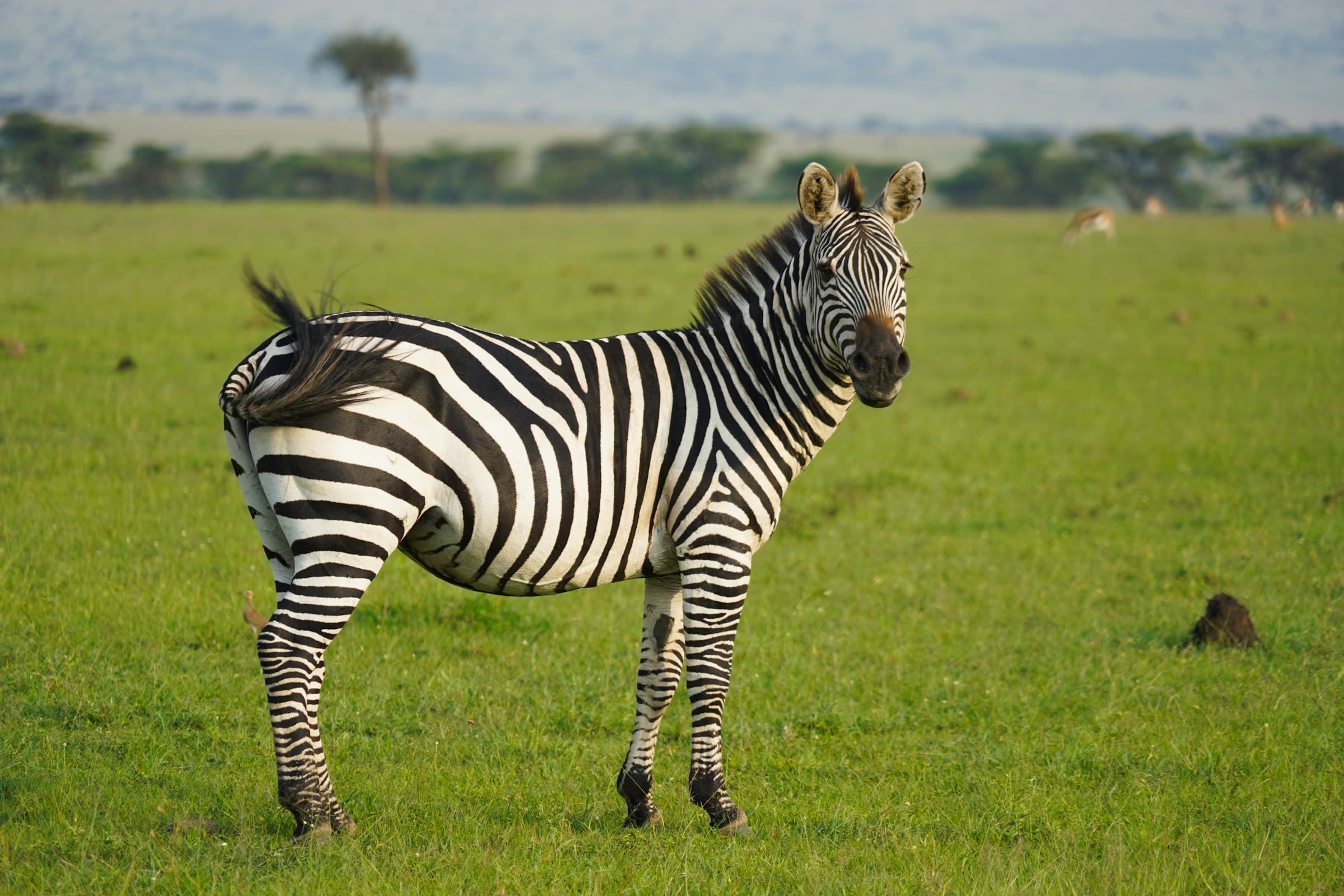
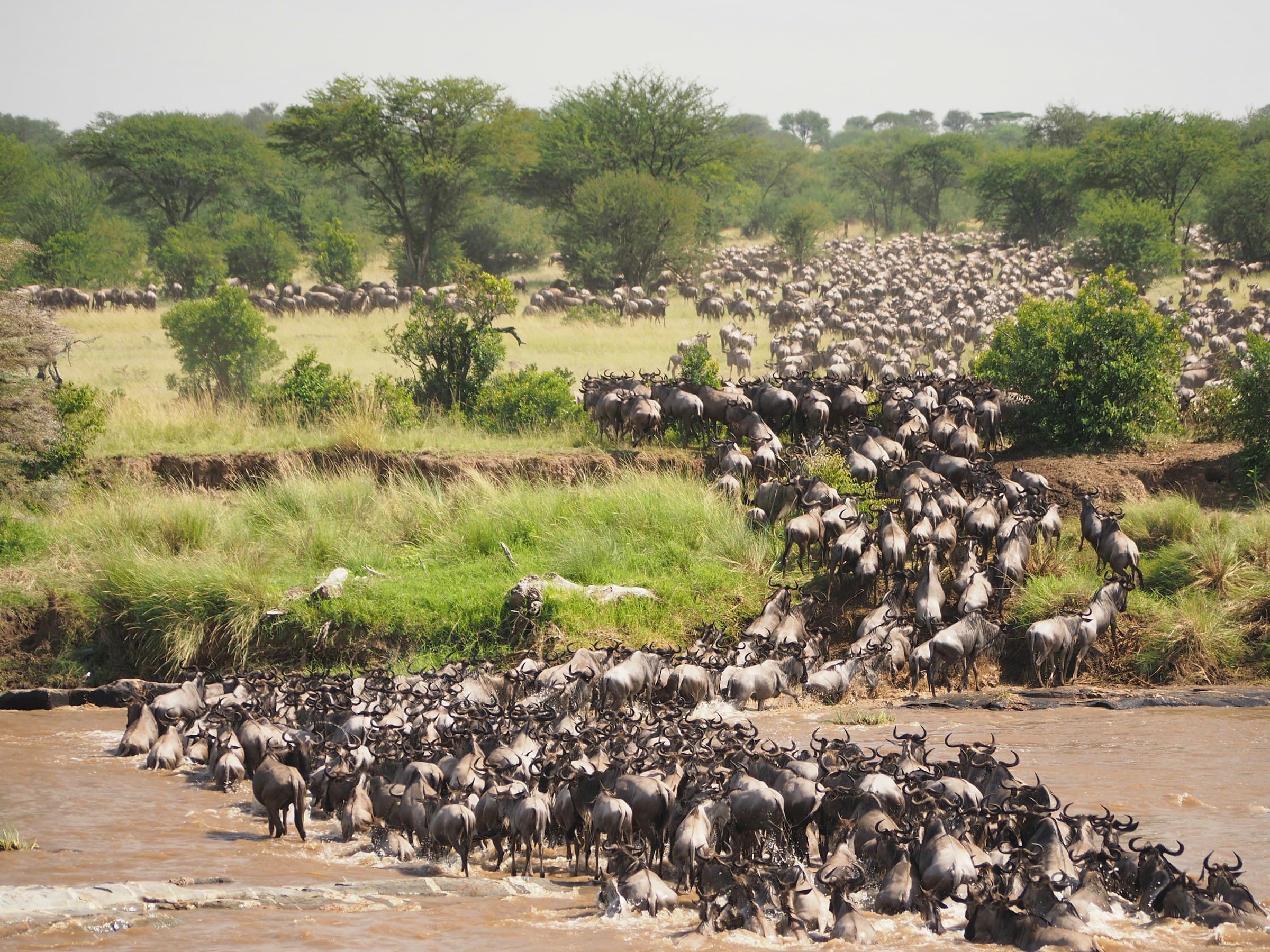
Follow wildebeest and zebra herds across the Mara's plains during the peak crossing months.
Watch large elephant families move across Amboseli's dried lake bed with Africa's highest peak behind them.
Visit soda lakes such as Nakuru or Bogoria for dense concentrations of birdlife.
Extend a safari with a few days on the white-sand beaches around Diani or the Lamu archipelago.
Kenya
7 Days · Maasai Mara · Amboseli

Travel Tips
What to pack for your first safari, from luggage limits on light aircraft to the layers you'll actually wear on early-morning game drives.
Guide
A month-by-month guide to where the Great Migration herds are likely to be, from calving season in the southern Serengeti to river crossings in the Maasai Mara.
River crossings in the Maasai Mara typically peak between July and October, though the exact timing shifts with rainfall each year.
Yes; Kenya's coast around Mombasa, Diani and Lamu is a short flight from Nairobi and pairs naturally with an inland safari.
Most visitors need to arrange an electronic travel authorisation before arrival; requirements vary by nationality, so check current rules with your embassy or airline before booking.
Ready for your next adventure?
Whether you're looking for a weekend escape or an unforgettable journey, SafiriFlow can help you plan it.
Start Planning