Seasonal
When to Visit Cape Town: A Month-by-Month Guide
November to March is warm and dry but busy and windy; September and October bring whales, wildflowers and fewer crowds. Here is how each month in Cape Town compares.
Short answer
For warm, dry beach and hiking weather, visit Cape Town between November and March, accepting that this is the busiest and windiest stretch of the year. For fewer people, wildflowers and whales, aim for September and October, when the rain is easing, the Western Cape is at its greenest and southern right whales are close inshore along the coast east of the city. Cape Town has no true "bad" month, but June to August is cool and wet, and the Table Mountain cableway closes for its annual maintenance at the end of July.
Month by month
Cape Town has a Mediterranean-type climate: dry summers, wet winters, and seasons that run opposite to Europe and North America. Temperatures below are typical daytime highs in the city; the peninsula and mountain tops are often cooler and windier.
| Month | Weather | Crowds and what's on | Verdict |
|---|---|---|---|
| January | Hot and dry, highs in the high 20s °C; long daylight, sunset after 8pm; southeaster often strong | Peak season and South African school holidays at the start of the month | Great weather, busiest month |
| February | Hot, the driest month; southeaster still frequent | Busy but calmer than January | One of the best months overall |
| March | Warm, highs in the mid to high 20s °C; only a few rainy days | Shoulder season; the Cape Town Cycle Tour and Easter can fill the city | Excellent, plan around event weekends |
| April | Mild, highs in the low to mid 20s °C; first autumn rain | Moderate; the Two Oceans Marathon and Easter weekend are busy | Good value, settled days |
| May | Cooling, highs around the low 20s °C; rain increasing but often calm, clear days | Few visitors, winter specials begin | Underrated, especially for the city and Winelands |
| June | Cool and wet, highs in the high teens °C; the wettest stretch of the year begins | Quiet; southern right whales start arriving | Low season |
| July | Coolest month, frequent rain fronts, short days | Quiet; cableway closes for maintenance at the end of the month | Only if you want space and low season |
| August | Cool and wet, starting to brighten; landscapes at their greenest | Quiet; wildflower season begins on the West Coast; calving whales | Mixed weather, rewarding scenery |
| September | Mild, highs around 20 °C; rain easing | Shoulder season; peak wildflowers and whales | Very good for nature |
| October | Warming, highs in the low 20s °C; wind picking up | Hermanus Whale Festival; whale numbers peak | Very good, a strong all-rounder |
| November | Warm and mostly dry, highs in the mid 20s °C; windy | Shoulder turning to peak; long evenings | Excellent before the holiday rush |
| December | Hot and dry, highs in the high 20s °C; southeaster frequent | Peak season from mid-month; holiday prices | Great weather, plan early |
The best months for specific interests
Beaches and outdoor dining
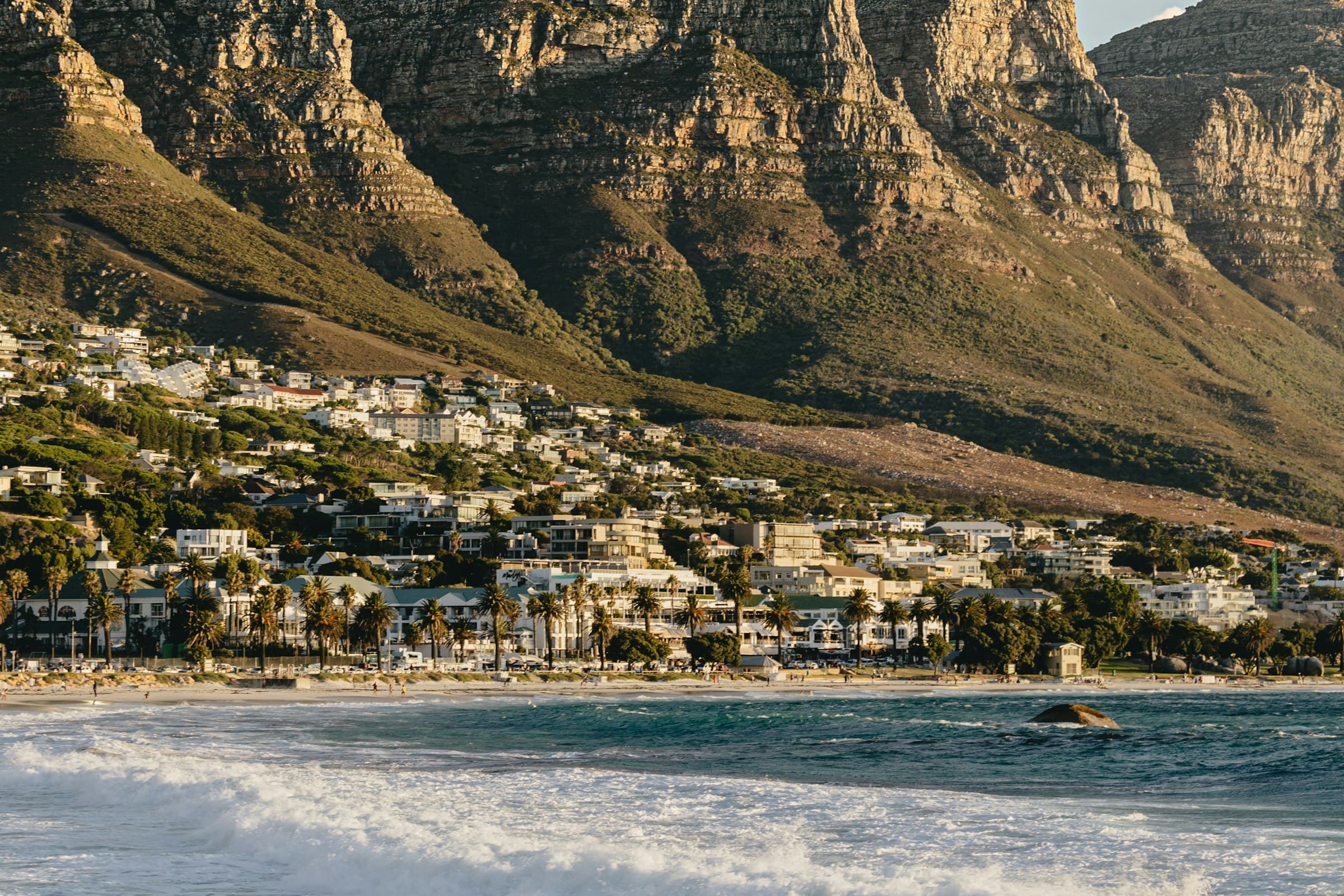
December to March gives the long, dry days the Atlantic seaboard is known for, from Camps Bay to Clifton. The water on this side of the peninsula stays cold year-round, so most visitors come for the sand and sunsets more than for swimming. February and March tend to deliver the most reliable beach weather with a little less pressure on accommodation than the holiday weeks.
Whale watching
Southern right whales migrate up from Antarctic waters to mate and calve along the Western Cape coast. Hermanus, on the coast east of the city and an easy day trip by road, is the best-known shore-based spot, with a clifftop path where whales can come remarkably close to the rocks. The local tourism office describes the season as July to November, with September, October and November the peak, when calves are born and mating activity increases. The Hermanus Whale Festival is held in early October.
Wildflowers
The spring bloom along the West Coast is one of the Western Cape's big natural events. SANParks runs its flower season at West Coast National Park, north of the city, each year between August and September, and the Postberg section of the park only opens to visitors during that window. Go on a weekday and arrive early, since sunny weekends bring long queues at the gate. Flowers open best in sunshine, so keep a flexible day in your plan rather than fixing the trip to one date.
Hiking and Table Mountain
Spring (September to November) and autumn (March to May) are the most comfortable seasons to hike, with milder temperatures than midsummer and fewer rain fronts than winter. The Table Mountain Aerial Cableway closes for around two weeks of annual maintenance at the end of July; in 2026 it was shut from 27 July to 9 August. Hiking routes stay open during the closure, but you must walk down as well as up, and summit facilities are closed. At any time of year the cableway can stop for wind or low cloud, so leave a spare morning in your itinerary.
Winelands
Stellenbosch and Franschhoek work in any season. Summer brings long lunches outdoors and the grape harvest from late summer into autumn, while winter trades terraces for fireside tastings and quieter cellars.
When to avoid, and why
Mid-December to mid-January is the hardest time to visit if you dislike crowds: it combines local school holidays with the international peak, and the strong southeaster (locally called the Cape Doctor) can make exposed beaches and the cableway unpredictable. July is the least reliable month for weather, with cold fronts bringing several wet days at a time and the cableway closed for part of it. Neither is a reason to cancel a trip, but both are worth knowing before you choose dates.
Planning around it
If your main aims are beaches, long evenings and outdoor dining, plan for February, March or November. If you want whales, flowers and a quieter city, choose September or October and add a day trip to Hermanus or the West Coast. Winter visitors are rewarded with green landscapes and quiet restaurants, provided they build in indoor alternatives for rainy days.
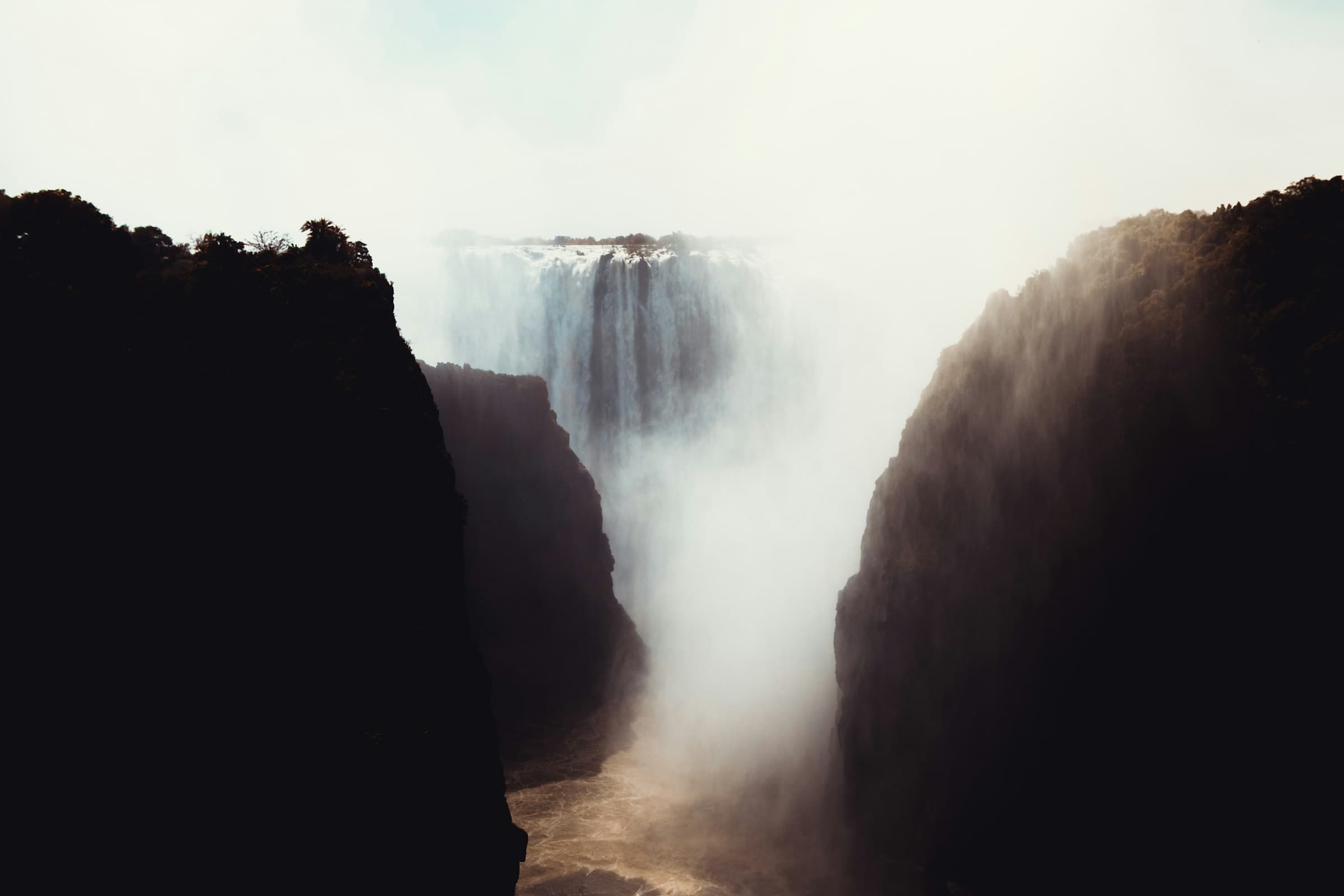
Our Cape Town & Winelands itinerary covers Table Mountain, the Cape Peninsula and a day of tastings, and can be timed around any of the windows above. For a single base in the city, Kensington Place sits on the slopes below Table Mountain, close to the centre. If you are combining the Cape with more of South Africa or a safari, the dry winter months that are quieter in the city are also a strong time for game viewing further north, which makes Victoria Falls or a bush extension a natural pairing. Send us your dates and interests through the inquiry form and we will suggest the timing that suits your trip.
Inspired? Let's plan it.
Tell us what caught your eye and a travel expert will design a trip around it.
Plan My Trip