Travel Tips
The First-Time Safari Packing List That Actually Works
What to pack for your first safari, from luggage limits on light aircraft to the layers you'll actually wear on early-morning game drives.
The short answer: pack light, neutral-colored layers, a wide-brimmed hat, sturdy closed shoes, and a good pair of binoculars, and leave anything you're unsure about at home, since most camps offer complimentary laundry. Safari packing works differently from most trips because light-aircraft transfers between camps often cap checked luggage at around 15 kg in a soft-sided bag, so the goal is fewer, more versatile items rather than a full wardrobe.
Why safari packing is different
Many multi-camp itineraries, including routes through the Maasai Mara and Serengeti, rely on small aircraft between airstrips. These planes have strict weight and bag-shape limits, and hard-shell suitcases often don't fit in the hold at all. Because most lodges and camps offer next-day laundry, you can pack for about four to five days and repeat outfits rather than bringing something new for every game drive.
The packing list
| Category | Items | Notes |
|---|---|---|
| Clothing | Neutral-colored shirts, trousers, a fleece or light jacket, sleepwear | Khaki, olive and beige blend into the bush; avoid bright white, black and camouflage patterns |
| Footwear | Comfortable closed walking shoes, sandals for camp | Broken-in shoes matter more than technical hiking boots for most itineraries |
| Headwear and sun | Wide-brimmed hat, sunglasses, high-SPF sunscreen | Sun exposure during open-vehicle game drives is stronger than it feels |
| Health | Insect repellent, personal medication, basic first-aid items | Discuss any destination-specific health guidance with your doctor before you travel |
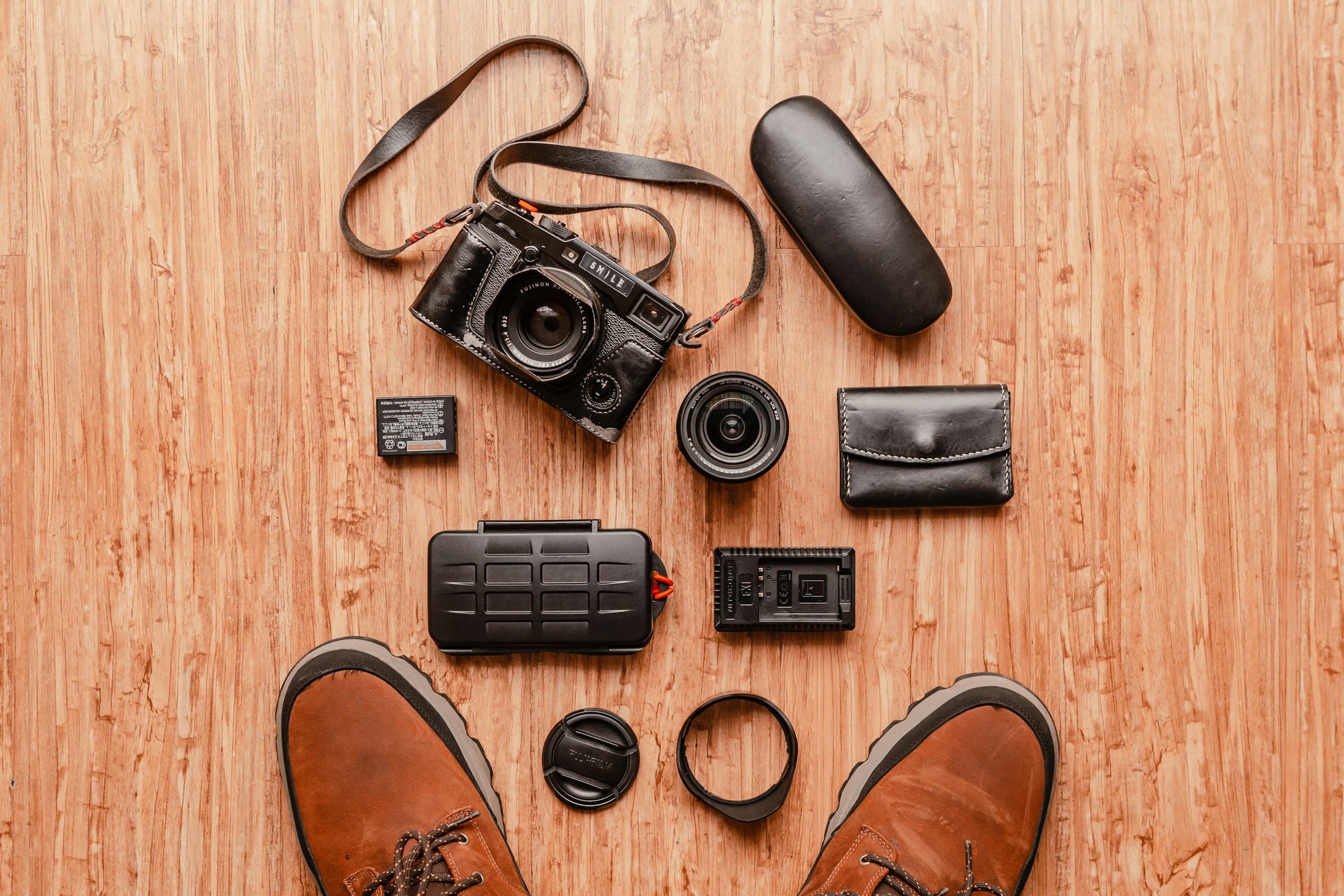
| Electronics | Camera, spare batteries or a power bank, universal adapter | Charging points can be limited to communal areas at smaller camps |
| Extras | Binoculars, a reusable water bottle, a light daypack | A separate small bag keeps essentials handy on game drives |
What to leave at home
Camouflage-patterned clothing is restricted for civilians in several African countries, so avoid it entirely. Bright white and black both tend to attract insects or stand out to wildlife, and heavy, hard-shell suitcases are impractical for light-aircraft transfers. Formal clothing is rarely needed; most camps and lodges keep the dress code relaxed even at dinner.
Layering for temperature swings
Mornings on game drives can be genuinely cold, especially in an open vehicle before sunrise, while afternoons warm up quickly. A base layer, a mid layer such as a fleece, and a windproof outer layer let you adjust through the day without carrying a full change of clothes. This layering approach works across most of our destinations, from the cooler highland mornings around the Maasai Mara to breezier coastal evenings if your trip continues on to Zanzibar.
Luggage practicalities
- Use a soft-sided duffel bag rather than a hard-shell suitcase for any itinerary involving light-aircraft transfers.
- Check the specific weight allowance for your route when you receive your quote, since limits vary by aircraft and operator.
- Pack a change of clothes and any essential medication in your carry-on in case checked luggage is delayed.
- Keep a compact daypack for camera gear, water and layers during the day.
Combining safari with a beach extension
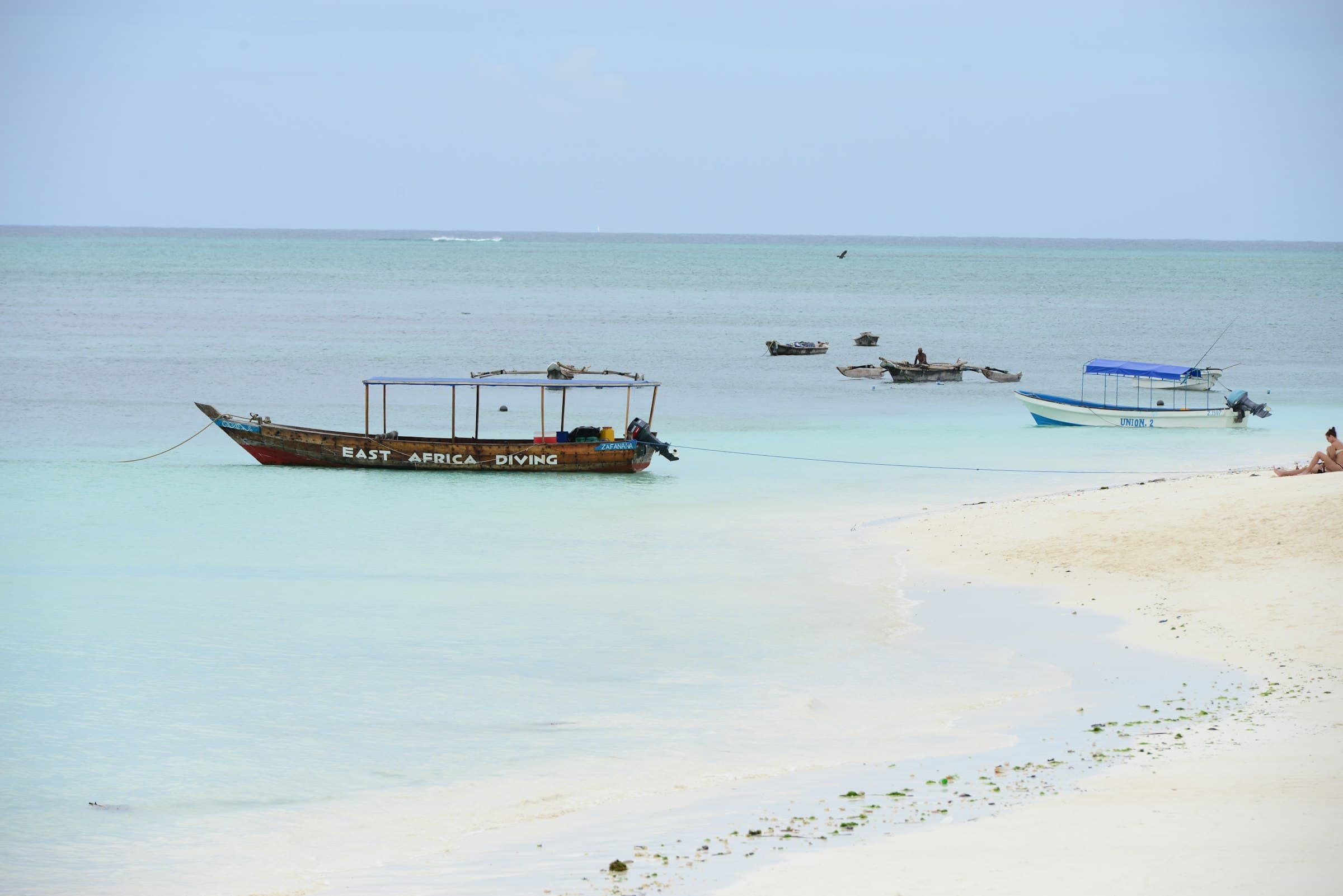
Many travelers extend a safari with time on the coast, and packing needs to shift accordingly. If your itinerary continues to our Serengeti and Zanzibar package, add swimwear, a cover-up, reef-safe sunscreen and lightweight breathable fabrics for humid coastal weather, and consider a separate small bag for beach days so you're not living out of your full safari duffel.
A note on documents and money
Keep passports, visas (if required) and any vaccination documentation in your daypack rather than checked luggage. Bring a mix of payment methods, since remote camps have limited or no card facilities and connectivity can be patchy. Your travel expert will confirm destination-specific entry requirements as part of your itinerary planning, since these can change and are best checked close to departure.
Final checklist before you fly
- Soft-sided bag within the weight limit confirmed for your route
- Neutral-colored layers for temperature swings
- Wide-brimmed hat, sunglasses, high-SPF sunscreen
- Comfortable closed shoes, broken in before travel
- Binoculars and camera with spare storage and power
- Personal medication and basic first-aid items in your carry-on
- Reef-safe sunscreen and swimwear if your trip includes a coastal stay
If you're planning a trip and want a packing list tailored to your specific itinerary and season, mention it when you request a quote and a travel expert can flag anything particular to your route.
Packing by season
Safari destinations across East and Southern Africa generally have a dry season and a wet season, and the difference affects what you'll actually use. During the drier months, dust is a bigger factor than rain; a bandana or light scarf to cover your nose and mouth on dusty roads is a small addition that experienced travelers appreciate. During wetter months, a compact rain jacket and a dry bag or waterproof pouch for electronics are worth the extra space, along with quick-drying fabrics that won't stay damp overnight. Evenings can be cool year-round at higher-altitude camps, so a warm layer is rarely wasted even in the middle of the dry season.
What camps typically provide
Most established lodges and camps supply basics you don't need to pack yourself, including bottled or filtered drinking water, bath towels, mosquito nets over the beds, and often insect repellent at turndown. Some camps also offer binoculars for loan, though bringing your own pair you're already familiar with generally makes for better sightings than fumbling with an unfamiliar pair in the moment. It's worth checking what's included at your specific camps, since this can meaningfully lighten your bag before you even start packing.
A packing mistake worth avoiding
The most common mistake first-time safari travelers make is over-packing "just in case" outfits that never get worn, then arriving at a light-aircraft check-in to find their bag is overweight. A better approach is to lay out everything you think you need, then remove about a third of it, leaning on the laundry service most camps offer rather than carrying extra changes of clothes. A second common mistake is packing valuable jewelry or formal wear that has no use case on safari and only adds security concerns; leave it at home.
Packing for children
If you're traveling with children, add a wider-brimmed hat and higher-SPF sunscreen formulated for young skin, a basic first-aid kit with children's medication, and simple entertainment for the quieter hours during long game drives or flight transfers. Many family-friendly camps also provide age-appropriate binoculars and junior ranger activities, which can reduce how much you need to bring yourself.
Inspired? Let's plan it.
Tell us what caught your eye and a travel expert will design a trip around it.
Plan My TripAbout the author
SafiriFlow Travel Desk
Editorial team
Guides and itineraries researched and written by the SafiriFlow editorial team.